The fulling mill
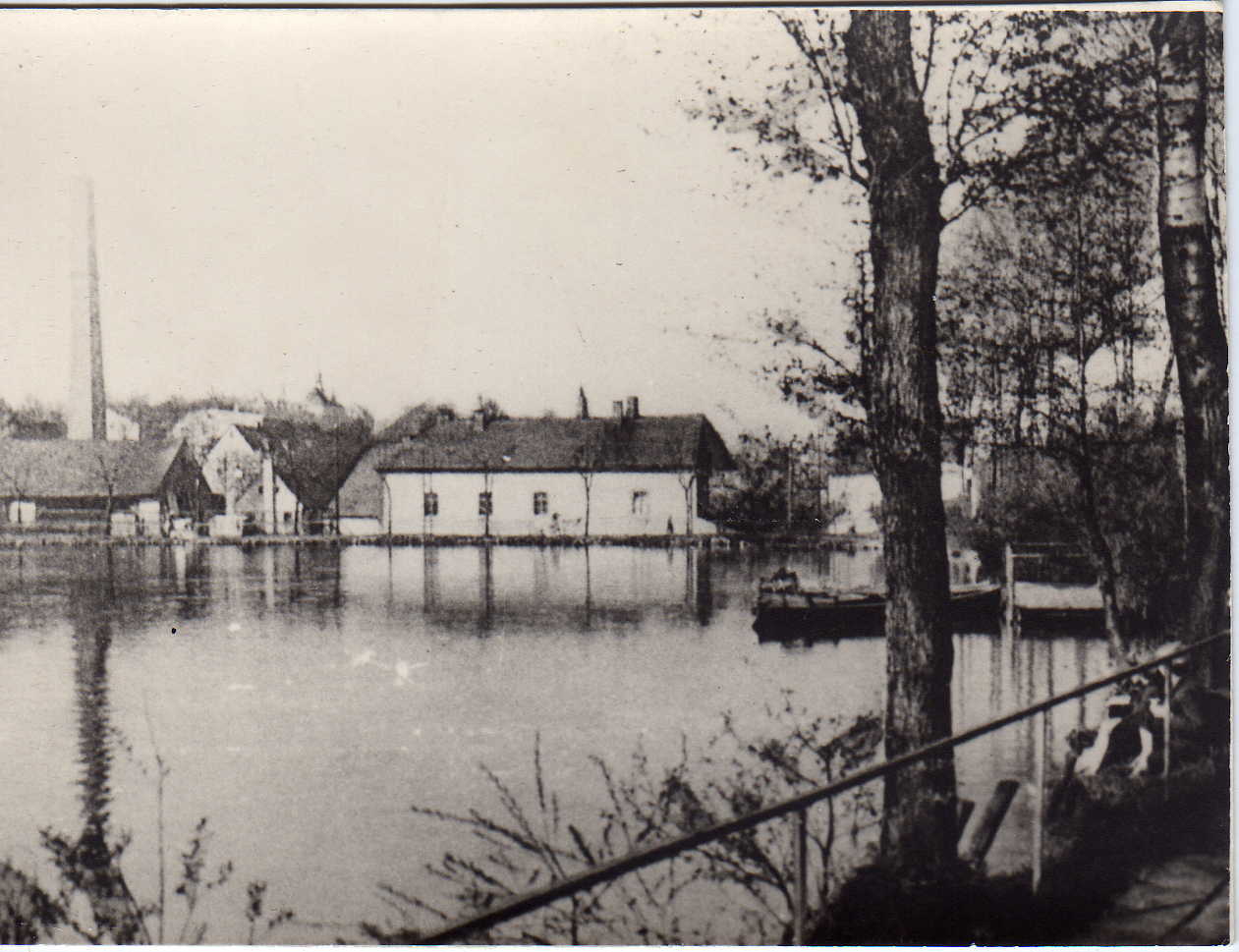
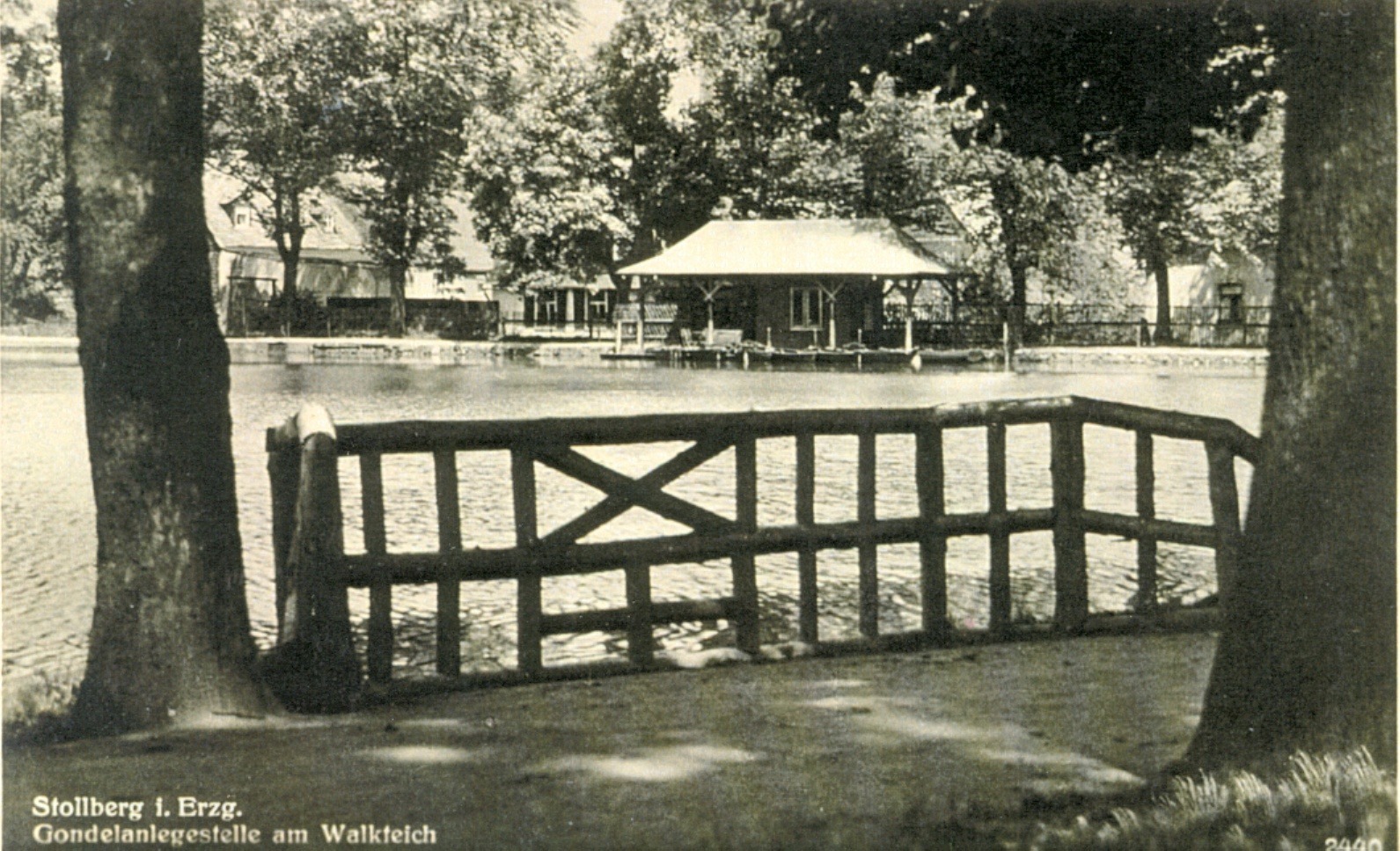
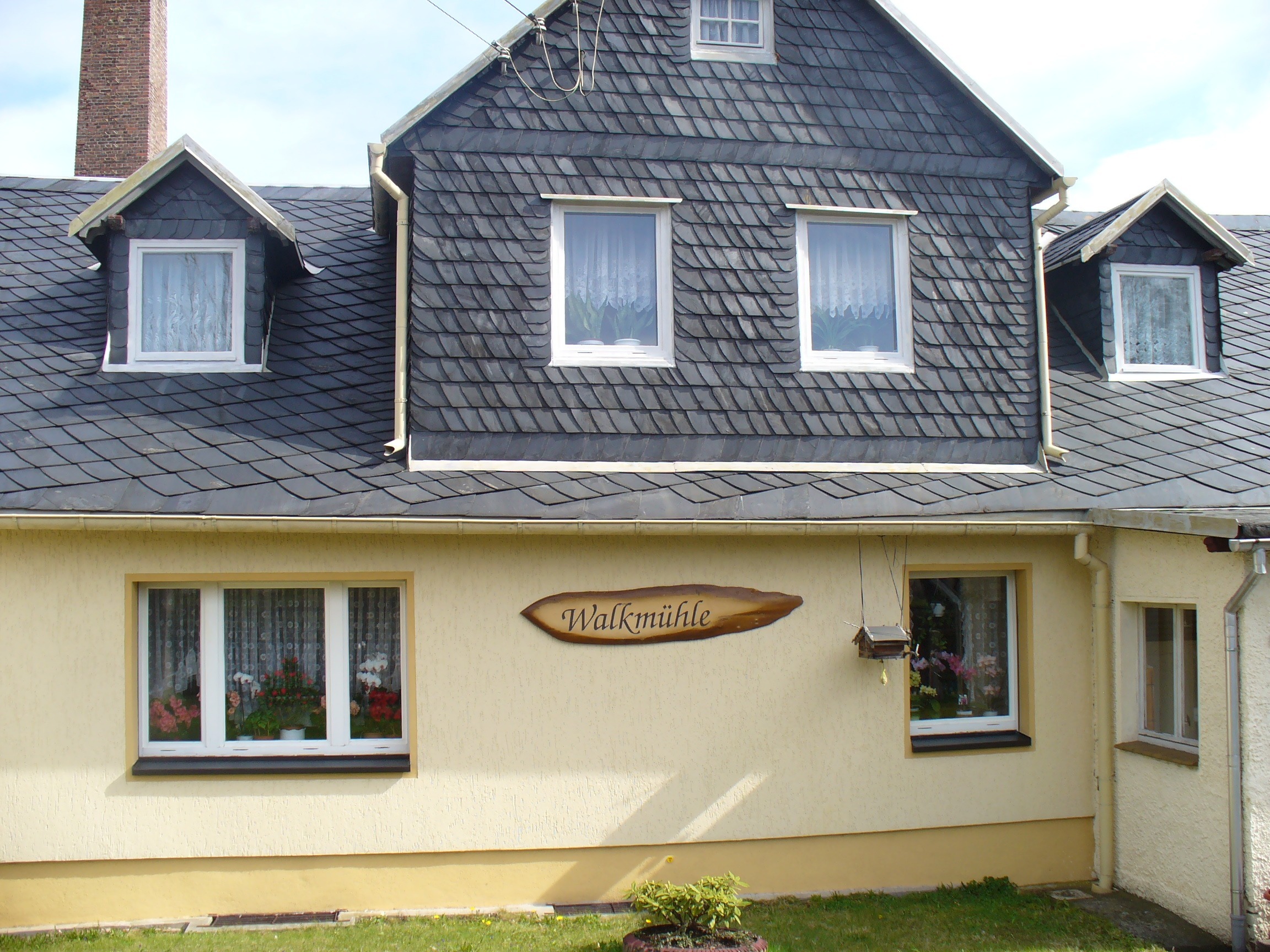
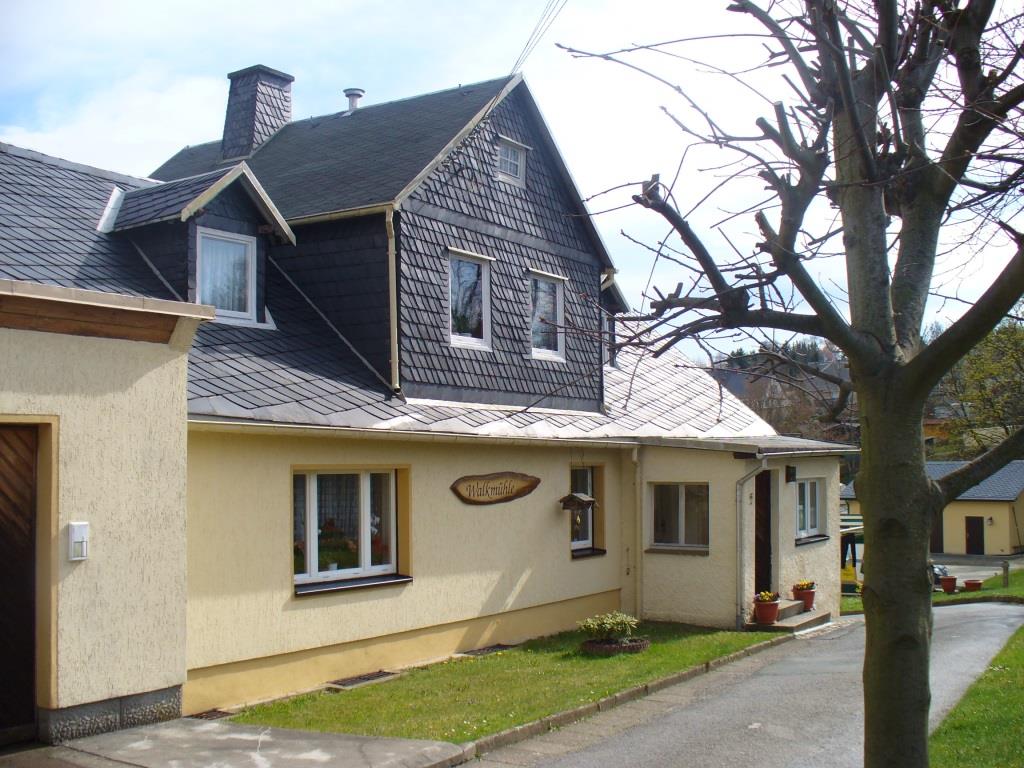
The Walkmühlen property is probably one of the oldest commercial properties in Stollberg. It owes its name to the cloth makers' guild, who brought their woven cloths to the fulling mill, where they could be fulled - i.e. softened - thanks to the water wheel drive. The mill was already in operation in the first half of the 15th century. In 1864, a new owner, Samuel Traugott Amen, registered the business as a cloth preparation plant. The mill was rebuilt in 1866 and the building was destroyed by fire in 1872. In 1873, Gustav Simon applied for the construction of a cutting mill. From 1902, the property belonged to Georg Petzold. On May 18, 1919, the master tanner Alfred Bergel bought the property and in the summer of 1919, after extensive construction work, a tannery began its work. Alfred Bergel was unrivaled in Stollberg. The business became a success.
But the Second World War put an abrupt end to this. The tannery came to a standstill from 1942 onwards. During the war, it was still possible to buy hides and skins, which were collected, invoiced and paid for by state collecting agencies. This was his modest livelihood during this time. Then his wife died, which also dealt him a severe blow. His daughter Eleonore ran the household for him and in August 1949 she married the druggist Max Rudolph.
When Mr. Bergel died on 9 February 1953, Eleonore Rudolph received the trade license to continue the existing business. The trade license as a tannery was cancelled, and as the business premises were subject to official control when a trade ceased to exist, they were passed on. The idea of setting up a contract cidery was then born at the trade office. The wringer of the tannery had already been converted into a basket press to process the company's own apple harvest into juice.
At first, Mr. Rudolph worked Fridays, Saturdays and Sundays into November during the apple harvest. In 1955, he attended a sweet cider course. In order to become a member of the cooperative of the food and luxury food trade, he applied for a business license in his name, which he received in the spring of 1957. His wife gave up her license and became a helper wife.
In the autumn of 1960, he had to temporarily close his fruit reception due to "overcrowding". As he announced this in an advertisement, he became known throughout the district and from then on could only work by appointment, which his wife allocated. Soon the private business had grown to six employees and the owner couple.
In the 1970s, the waterwheel broke down and Mr. Rudolph asked the district council for measures to maintain or restore it. In response, he was informed that the property was no longer a listed building and that the existing tamping machine would be taken on loan to Dorfchemnitz for transfer to the bone stamping mill. The vacated wheel chamber was now to become an apple silo, but the hurdles of bureaucracy were stronger at the moment and it would almost have been the end of the business had it not been for the help of the head of the local utility company. A rich apple harvest was to be expected and so they were reliant on all the fruit processing companies.
Suddenly, the district council was "very keen" to ensure that the service for the population did not fail. Even assistance was promised. At the end of the 1983 season, almost everything that had previously been rejected was suddenly approved. Mr. Rudolph was even granted tax-privileged investment loans. From 01.07.1989, he was allowed to take his son into the business as a partner. With the fall of the Berlin Wall came a difficult time for the sweet cideries. There was an oversupply of juices, many of them in disposable packaging. There were closures, especially the larger GDR businesses were affected first. As the individual activities of the small contract cideries are not feasible for the large companies, the smaller companies remain in business.
A new bottling plant was installed. The steam boiler is no longer powered by brown coal, but is replaced by an oil-fired boiler. In 1993, Mr. Rudolph's wife, the owner of the fulling mill, died. In 1996, Mr. Rudolph left the GbR and his son Frieder, who had been working there for 30 years, took over responsibility for the cider mill. In 1996, he bought the neighboring "town houses" and had them demolished. The space that was freed up is used for garages and as storage space for trailers and the like.
Mr. Rudolph has remained true to his craft to this day and continues to actively help out. You can see how much he enjoys his work.